


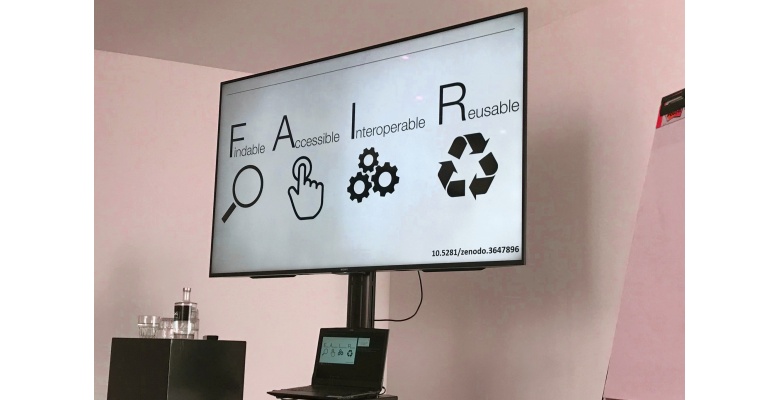
This project explores the more efficient and better reuse of data by applying the FAIR principles: Findable Accessible, Interoperable and Reusable.
The focus in this project is on learning how to apply the FAIR principles and exploring the implementation within the People in Motion (MiB) program.
In view of the recent circumstances, we also pay attention to the development of FAIR data on the corona virus (see below).
Challenges with reusing data
Much research data is unknown or disappears afterwards on disks, servers and in attics where no one can ever find it again. And when researchers can retrieve such data, they are most likely not to know under what conditions these are accessible to others. And if other institutions have similar data, these are probably not interchangeable because everyone uses their own data formats and descriptions. In short, reusing research data is virtually impossible, while more can be done with data than just answering one research question within one research project.
FAIR and machines
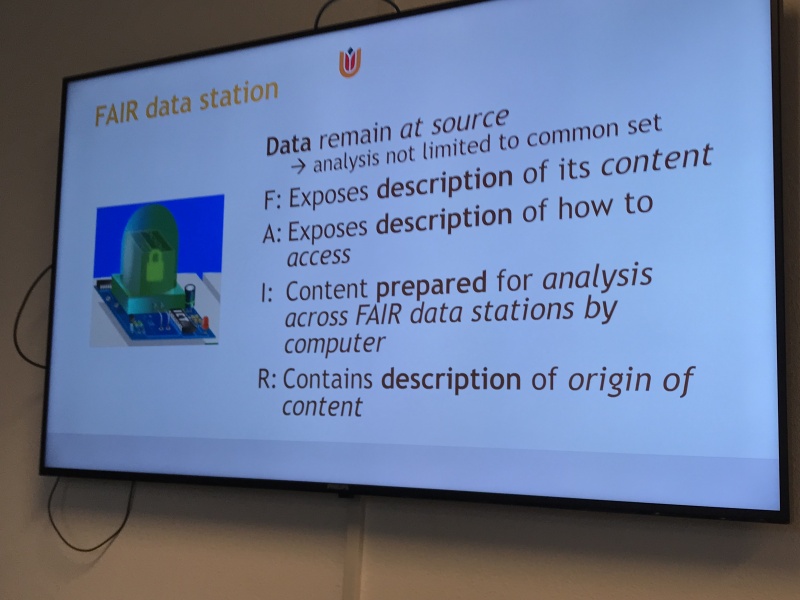
Data must also be findable, accessible, exchangeable and reusable for machines (computers). A machine must be able to recognize ‘automatically’ for whom certain data is or is not accessible. And a machine needs to understand that different terms can mean the same thing (e.g. ‘height’ and ‘length’) and that the same term (e.g. “HR”) can refer to different concepts. Therefore, the project team uses semantic web and linked data techniques, based on the foundations of the World Wide Web.
The human measure
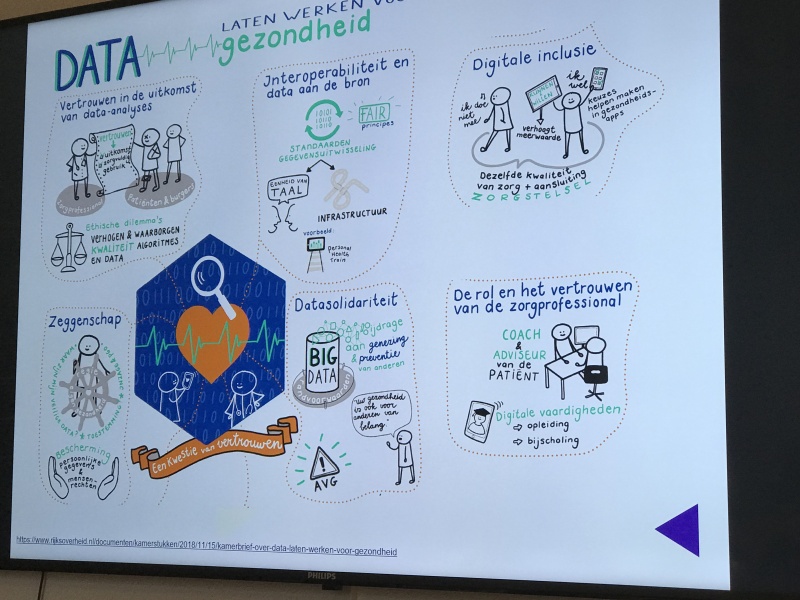
Making data FAIR (FAIRification) naturally also has an ethical and human side. Most of the data in question comes from people who have taken part in an investigation, have taken measurements and who have made their, sometimes sensitive, data available for a specific purpose. How do you prevent computers and algorithms from running away with this data? What do participants think of their data being used for follow-up research? How can participants have better control over this? In FAIR terminology: what are the conditions under which data is Accessible (FAIR’s ‘A’) in order to be able to Reuse it (FAIR’s ‘R’)?
The challenge
The current way of working makes reuse of data by linking data sets or enriching data sets with databases of hospitals, companies or municipalities, very difficult. Let alone that these data are ‘machine-actionable’. If we optimally want to use data and machines within the People in Motion (MiB) program, it is essential to have FAIR data.
Goal
The focus in this project is on learning to apply the FAIR principles and exploring the implementation within the People in Movement, Urban Vitality program. The main goal is to investigate how project teams can use the FAIR principles for (re) using data more efficiently, more effectively and in more attractive ways.
What does it contribute to practice + research + education?
- The project team shares the acquired knowledge and experiences through guest lectures and project forms with, for example, ICT students. In the minor Software for Science of the HBO-ICT program, lecturers pay attention to developing FAIR software, making data FAIR and how to do this in a responsible manner.
- The project team discusses the role they play in making their research data FAIR with lecturers, researchers and the HvA data steward community.
- Promoting transparency, efficiency and collaboration in research, and future-proofing data in a critical, creative and responsible manner.
Method
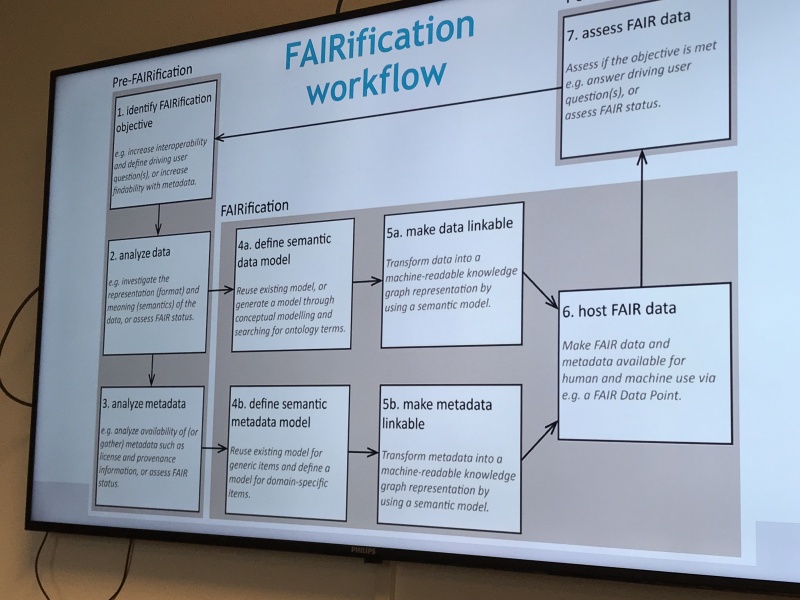
The project team uses a method for the FAIRification Process that other project teams have used before. This process requires a multidisciplinary team in which data stewards form a central part.
FAIR checklists
- FAIR bij Urban vitality-data package
- Go FAIR principles
- FAIR checklist how fair are your data
- FAIR self-assessment tool: working with data from ANDS
- FAIR self-assessment tool from Nectar
- Guidelines to FAIRify data management and make data reusable
More about FAIR
- The road to FAIR data
- Data Intelligence journal
- Personal Health Train
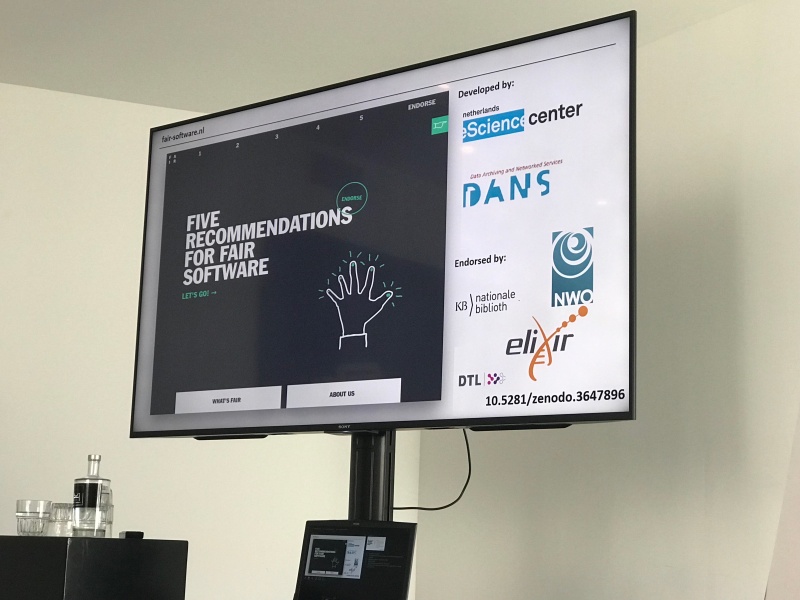
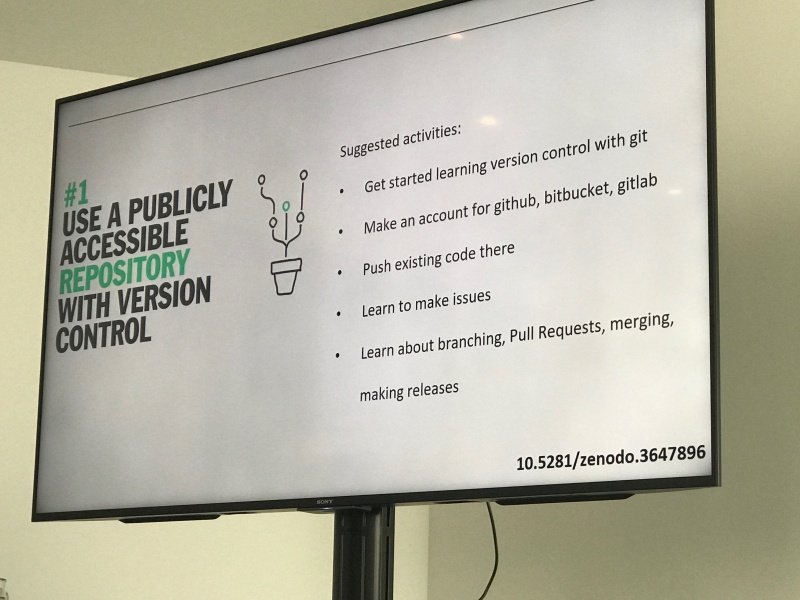
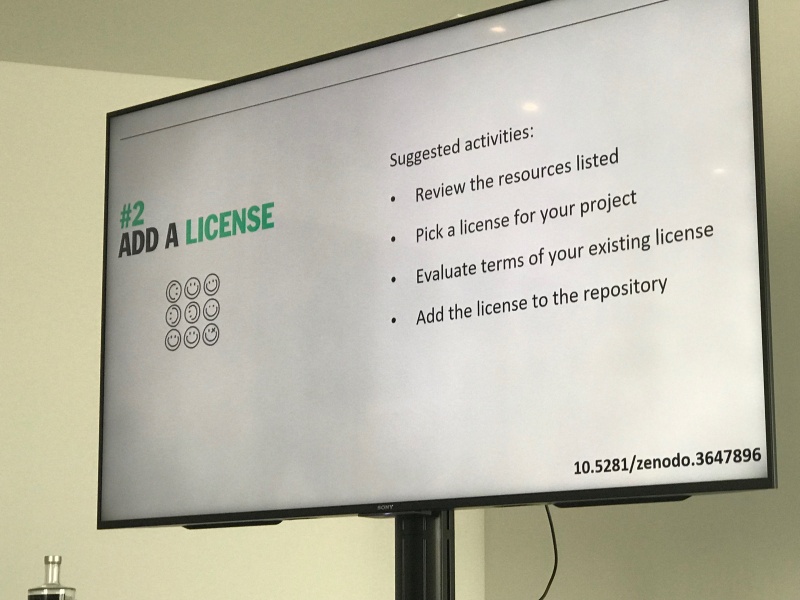
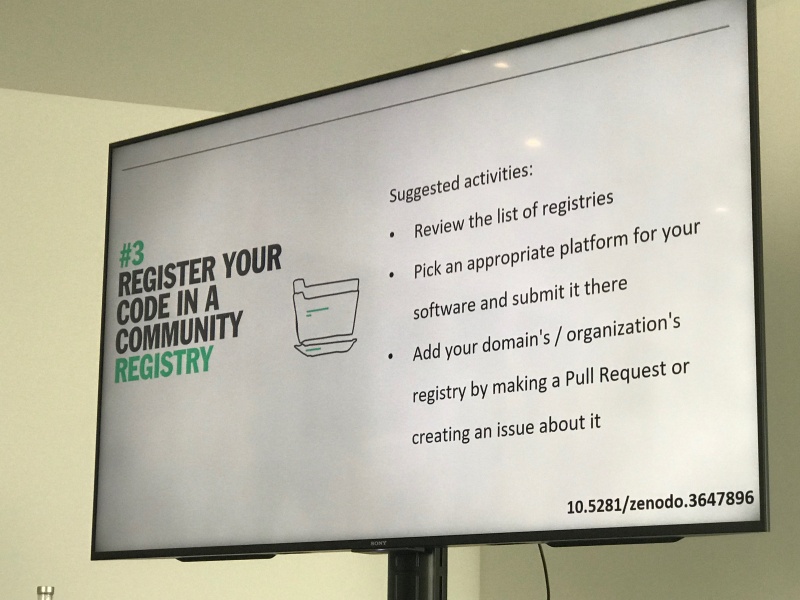
- Five recommendations for FAIR software
- Guidelines to FAIRify data management and make data reusable – Parthenos
- Overzicht van meetinstrumenten in de zorg
- How to FAIR
More Corona data
Corona datavisualisation
- Covid-19 corona virus infographic datapack – Information is beautiful
- Access and analyze trusted COVID-19 (Coronavirus) global data -Tableau data visualisation
- 17 (or so) responsible live visualizations about the coronavirus, for you to use
- Code for NL: Coronamap
The data (amount of tested infected people with Corona per place) is being updated every day.
Organisations that battle against Corona with data and digital solutions
- Code for Romania: various examples of Corona-aid applications
- Code for Poland: various examples of Corona-aid applications
- Dutch hacking health: Virtual ‘hacking’ op https://dutchhackinghealth.nl - focused on inventing solutions for problems such as extreme demands in care, lack of medicines and resources, shut down schools, social isolation, etc.
- Open access and data sharing for battling against corona virus -NWO & ZonMW
- VODAN-Virus Outbreak Data Network
Useful resources in times of Corona
- Corona virus tech handbook: General handbook on dealing with the corona virus
- RIVM data sources Covid-19
Fair as in ethical guidelines
Results
Various tools (software, working methods, training and materials and data) have been made available for the FAIRification of research data from the People in Movement program.
Voor het delen van resultaten in remote Corona-tijd hebben we gebruik gemaakt van Skype, MS Teams, Open Science Framework, Google Drive, Github en Figshare.
WHAT HAS BEEN ACHIEVED?
- FAIR expertise within AUAS has been further developed. This has been achieved by involving a diverse group of lecturers, researchers, lecturers and data stewards from different departments
- Connection with national and international initiatives in the field of FAIR data and data stewardship
- Implementation as an example of the FAIR procedure for ‘People in Motion’ data
- Knowledge exchange about creative and visual methods (such as data physicalization) for presenting data in an accessible and attractive manner
- Raising awareness among lecturers and researchers about FAIR data and the importance of ethical and privacy aspects in making data reusable
- New projects / project applications that focus on FAIR or in which FAIR itself is the subject to some extent
- A better overview of our own data collections and data collection methods
Deliverables and publications
- Description of the modelling-proces and the semantic model on Github
- The R of FAIR in the shape of a data package on UvA/Hva figshare
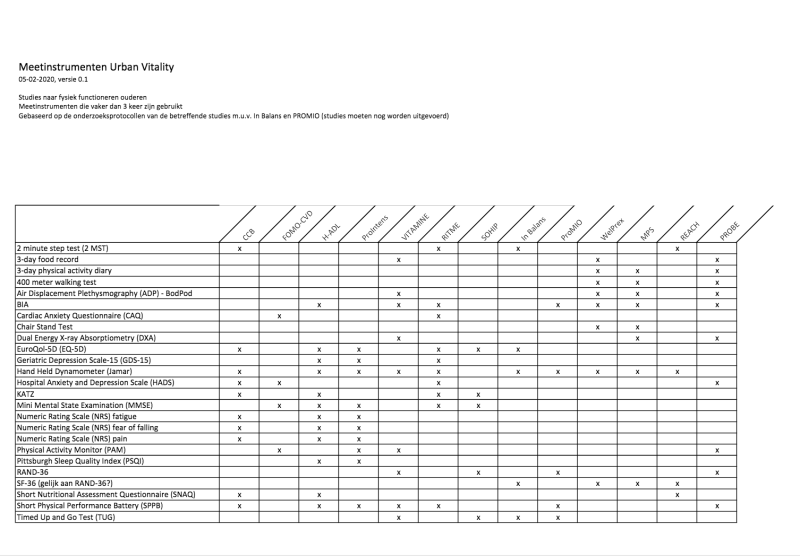
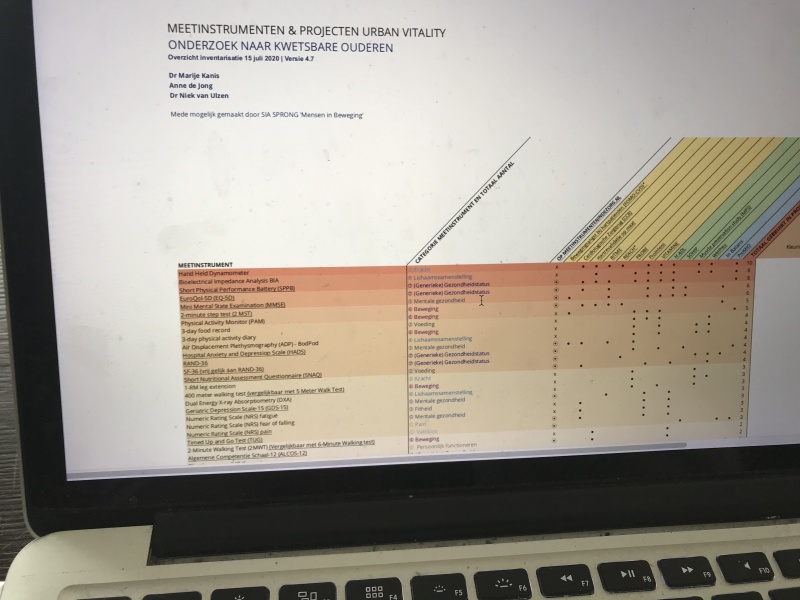
- Inventory of used measuring instruments for UV-research with regards to vulnerable elderly people, including link to meetinstrumentenindezorg.nl
- A concept for a minimum dataset for the UV-theme Healthy aging / Mensen in Beweging at UvA/HvA figshare
- Factsheet kenmerken ouderen en (digitaal) bewegen, Marije Kanis & Berber Nauta (2020) Version 3.0, Mens in Beweging, HvA, Amsterdam
- Website with information on making data more FAIR after a study
News items
- Together more FAIR, July 21, 2020
- Podcast Knowledge Know with Marije Kanis: Episode 7 (featuring FAIR data and physicalization), July 13 2020, on Spotify
- Thinking and looking at data in different ways: Friendship built out of Lego and cardboard (Dutch interview with Marije Kanis), July 10 2020, (K)NOW #1[1], p. 10-11
Image & Video


Project duration
1 Feb 2020 -1 Sep 2020
Project manager
dr Niek van Ulzen
Researchers
- dr Marije Kanis
- prof. dr Somaya Ben Allouch
- Anne de Jong, Urban Vitality
- Amely Verreijen, lectoraat gewichtsmanagement
- dr Gerben ter Riet, Urban Vitality
- Jesse Aarden, lectoraat Acute ouderenzorg
- Dennis van Kooij, Sport Data Valley
- Carliene van Dronkelaar, lectoraat Voeding en Beweging
- dr Michael Tieland, lectoraat Voeding en Beweging
- dr Bart Visser, lectoraat Oefentherapie
- Dennis van Erck
- dr Marco Roos
- dr Ronald Cornet
Funding
Zaaigeld Urban Vitality, Hogeschool van Amsterdam