


COVID-19 has affected the way we live, learn, exercise, work and craft; and prospectively our digital, social, physical, and mental wellbeing. It jeopardizes our most fundamental needs for social contact, health and particularly happiness.
Hence, the pandemic seems to be pushing us to craft and develop new creative, digital and intelligent practices, solutions and understandings; new ways of connecting, interacting, being physical and being distant. Consequently, people such as in the creative industry have begun to respond to challenges such as corona-tracing and social distancing by means of technology.
The COVID-19 situation and regulation further seem to have accelerated a turn towards digitization as to play a larger and more permanent role in our lives, and as almost to replace our physical presence. This virtual move and its rather invisible, abstract nature impacts on issues as users’ autonomy, control, privacy and digital self-reliance. Hence, as the accessibility and transparency of the workings of technology and data collection are at stake, the risk is now that underrepresented and vulnerable groups in the digital society, namely elderly, digital illiterates and (visually) impaired people are being left out.
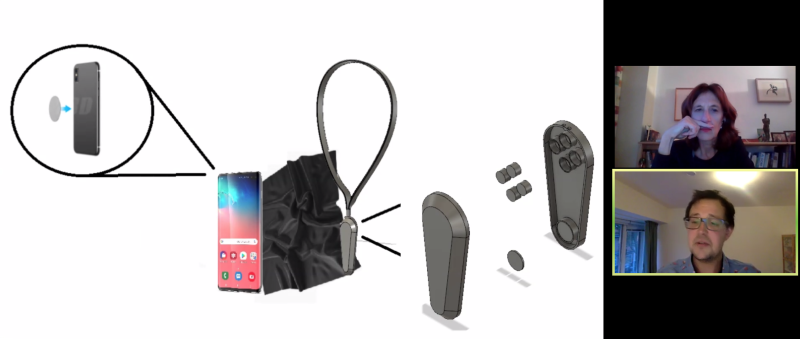
On the other hand, the new digital situation and technological developments such as accessible maker tools, tangible interfaces, Internet of Things and smart sensing also create various new participative and empowering opportunities, particularly for progressing beyond the screen, and augmenting social, mental and physical wellbeing. E.g., as motivating factor for using new smart digital ways for supporting physical exercise, for smart remote detection of public sentiment and crowds, or creatively using robots to serve drinks or medicines at a 1.5 metre distance. Especially now, new tools, methods and knowledge are needed for adequately and responsibly designing and deploying such new ‘physical’ creative and digital (dis)connected ways.
Apart from affecting how we physically interact, design and make, the current COVID-19 situation has also caused us particularly to turn in how we approach face-to-face research. The question is how can we study and come up with successful and thoughtful tacit solutions when we cannot even be present? How can we develop new understandings when we cannot physically and visually observe those changes and collect data, for example from elderly in care homes? How can we develop those new understandings and tacit knowledge when we cannot even co-create physical prototypes together?
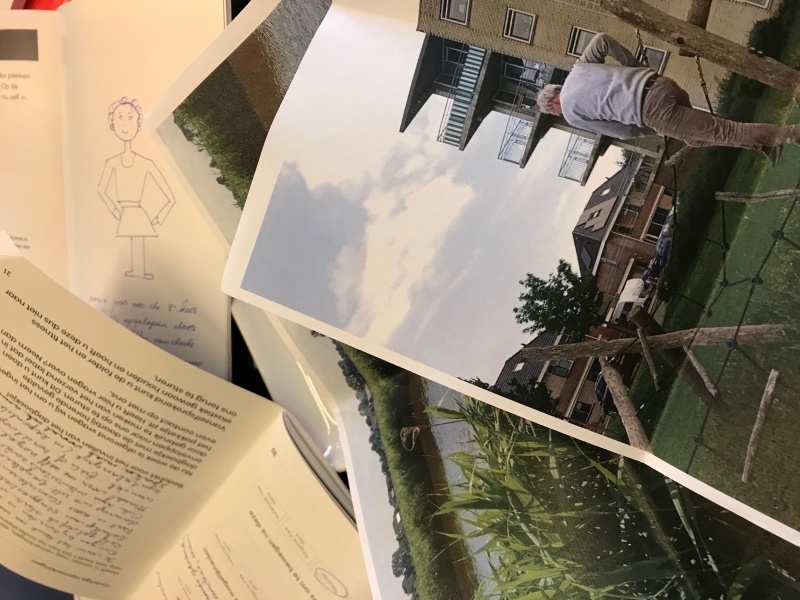
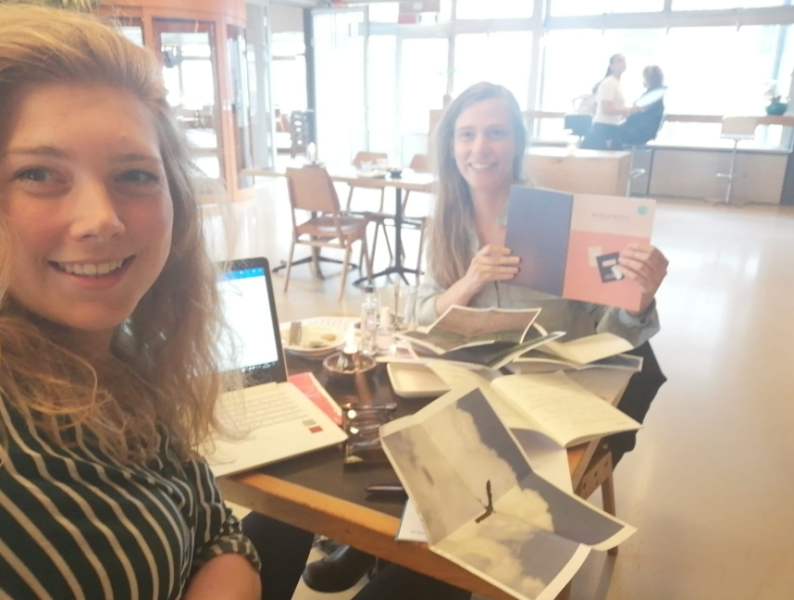
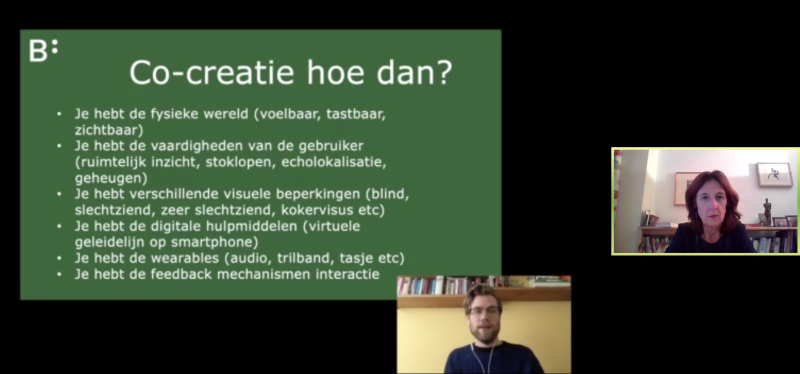
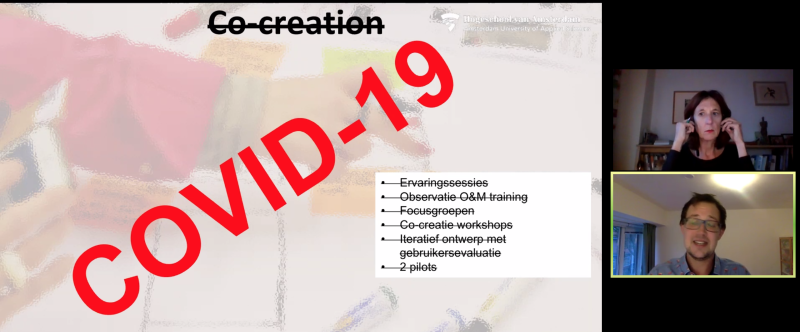
This calls for new participatory and creative research approaches and solutions -particularly for bridging the digital and physical divide. Think of remote physical making and particularly co-creation in place; other forms of data collection and creative research practices in a 1.5 metre-distant society. We propose to explore new co-creative methods that are needed for enabling responsible, tangible insights and grasp on what is happening now. This in relation to happy and healthy living during the pandemic itself and in the broader creative picture of our current long-term distant digital society. By collectively creating, studying, collecting data and sharing new (visual and palpable) insights and best practices, the idea is to better adapt to this situation and reinvent appropriate digital, physical and co-creative solutions and strategies for remote research and design in a smart, participatory and responsible 1.5-metre society.
To conclude, for supporting social, physical and mental wellbeing, this proposal focuses on new physical participative ways of digital and co-creative methods in times of virtual and distant connectedness.
Deliverables
– Showcase website Connectedcreative.nl met best practices en thematisering rondom Co-Well
– Blij op maat: Ontwikkeling van verschillende websites voor het delen van welzijnsbevorderende activiteiten met verschillende doelgroepen (Studenten project met 25 studenten van de HBO-ICT studie Enterprise Web Application)
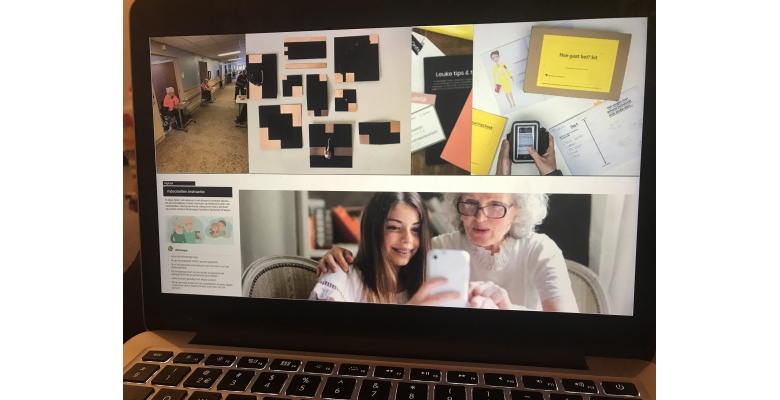
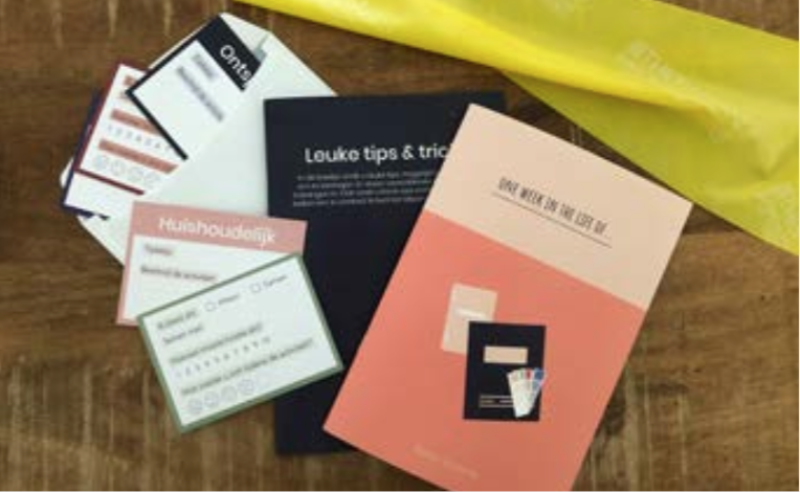
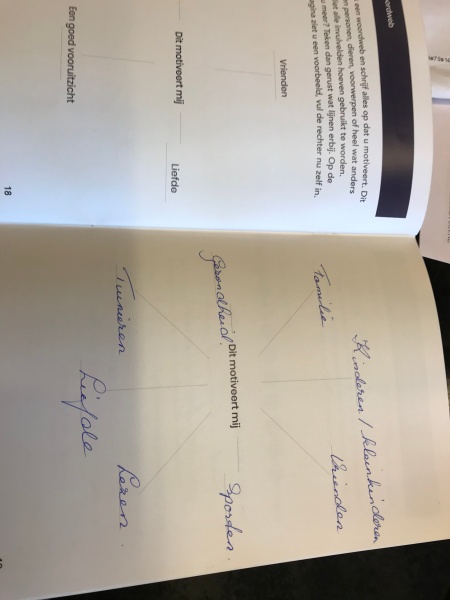
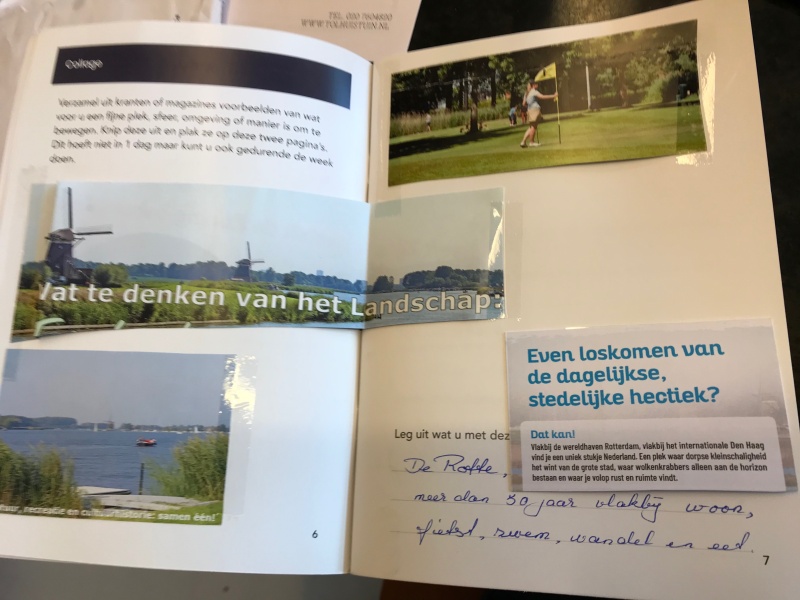
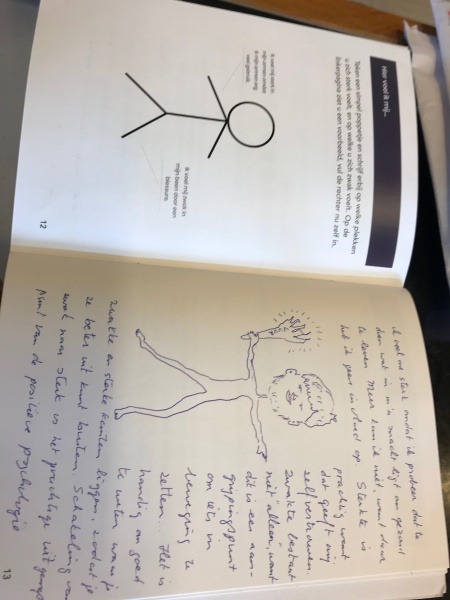
– Happiness toolkit voor gebruikersonderzoek op afstand (met studenten van HvA minor Zorgtechnologie)
– Muziek playlist op Spotify voor co-creatieve inspiratie op afstand
– Vragenlijst resultaten voor articulatie, identificatie van behoeften en oplossingen van professionals
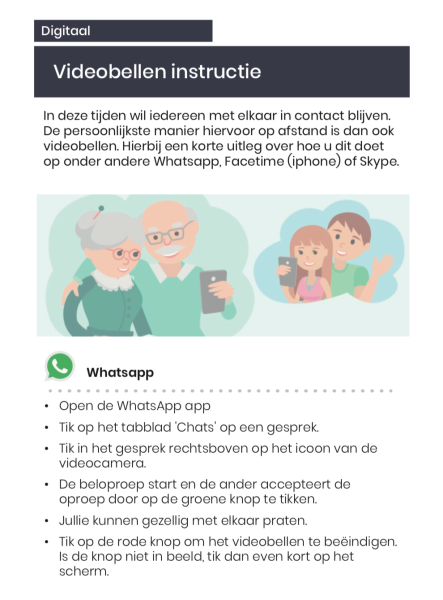
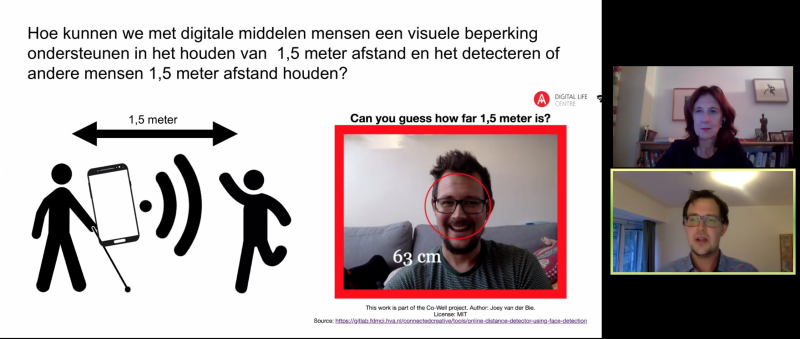
– (S)how your distance: On-line applicatie dat de afstand tussen you en een andere persoon kan bepalen met je camera (computer of smartphone)
Events
– SPUI25: ‘Van tekentafel tot praktijk’ – Werken aan Welzijn in Coronatijd (27 oktober 2020)
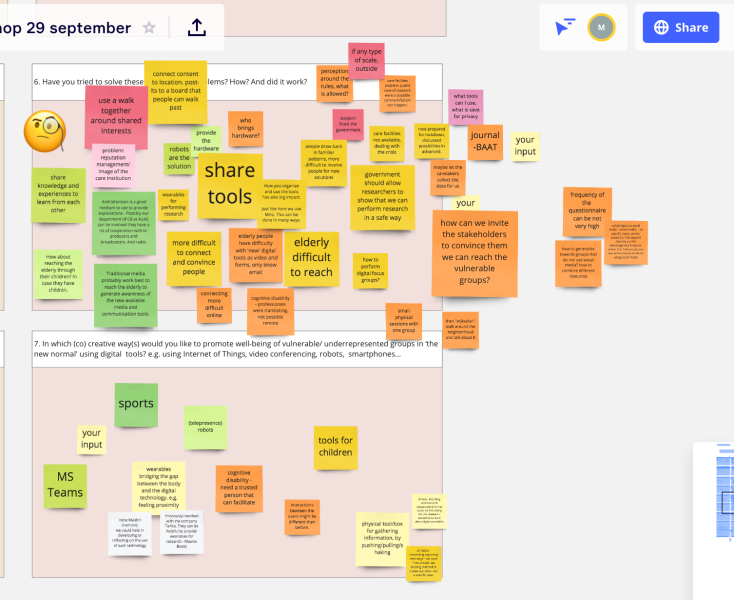
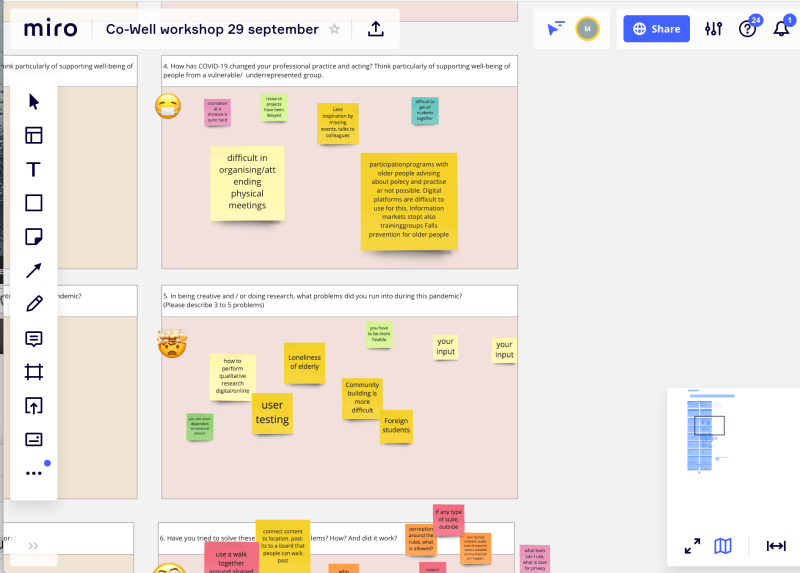
– Co-Well: Co-Creatie meeting (29 september 2020)
– Studenten werken aan toolkits voor welzijn in corona-tijd (2021)
Publications
- New approaches for participation in digital society in distant times of COVID-19, Marije Kanis, Joey van der Bie, Berber Nauta, Manon den Dunnen & Somaya Ben Allouch (2021) Proceedings of CHI’21 workshop on Digital citizenship
- Behoeftes rondom (beweeg)activiteiten bij ouderen in tijden van Corona: Contextuele informatie inwinnen over behoeftes rondom bewegen, activiteiten en technologie bij ouderen met een co-creatieve toolkit op afstand, Berber Nauta, Marije Kanis, Bart Visser, Somaya Ben Allouch & Daniël Bossen (2021) NtvO (preprint)
- Interview Dr Marije Kanis & Berber Nauta: creatief methode onderzoek activeert ouderen tijdens Corona
- BAAT ontwikkelt Studie toolkit voor digitaal bewegen op maat
- Digital life in the media with active toolkit
NEXT
Een deel van het onderzoek en thematiek zijn voortgezet in het project Co-Prodigy
Image & Video
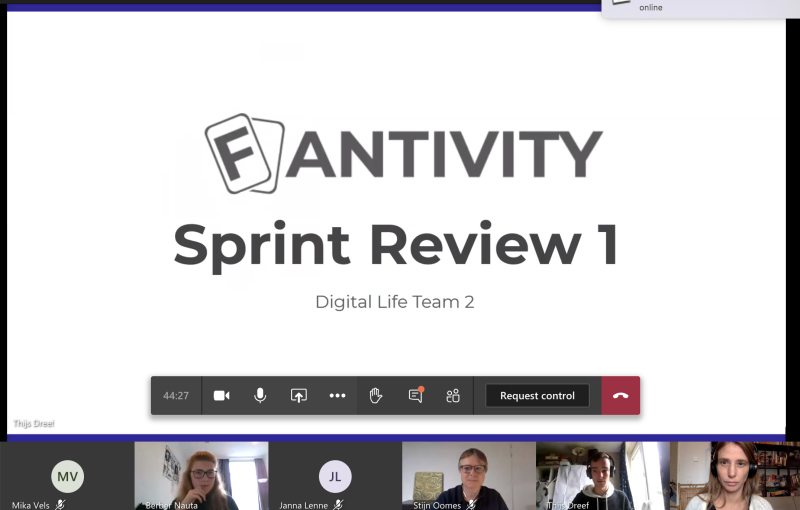
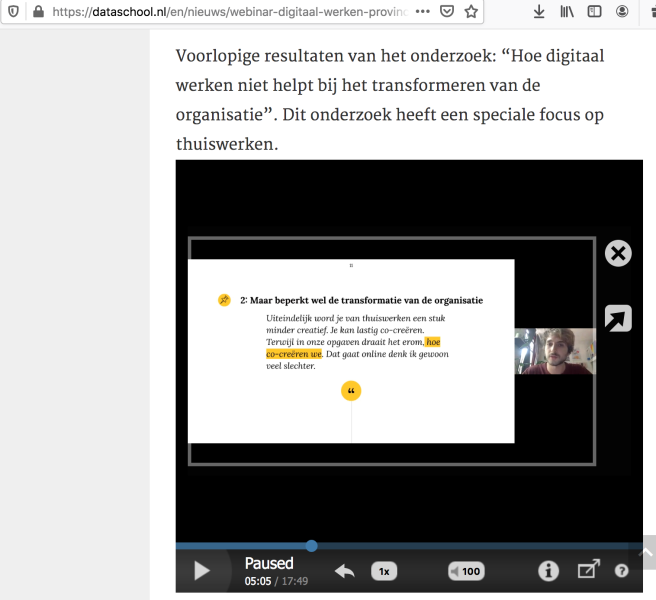
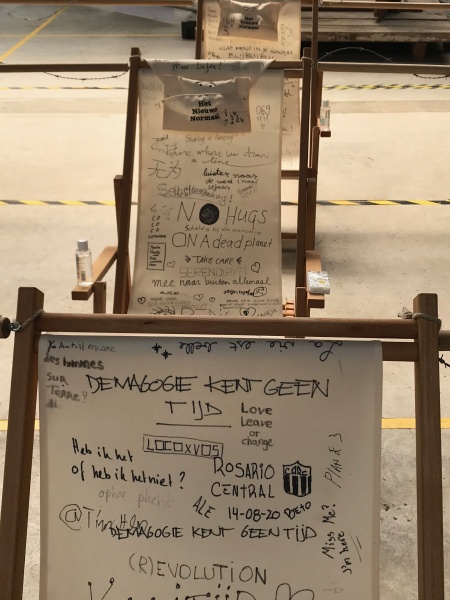
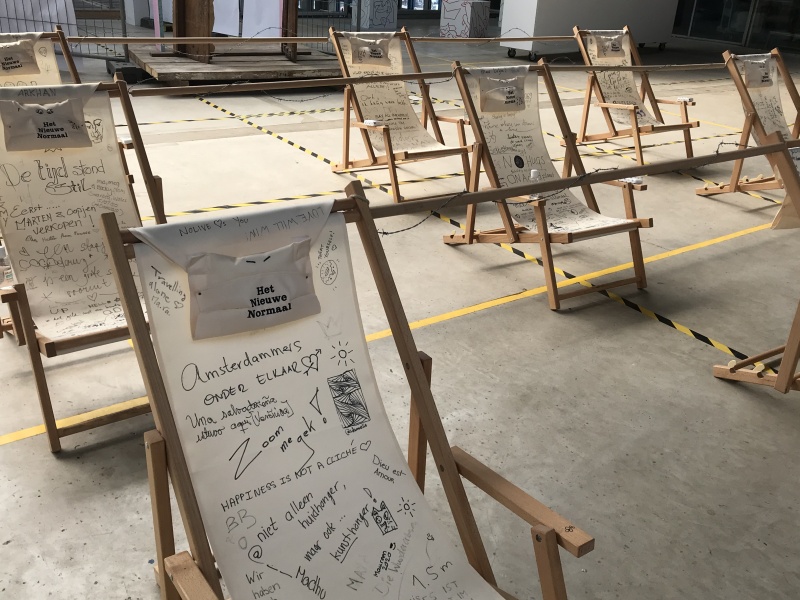
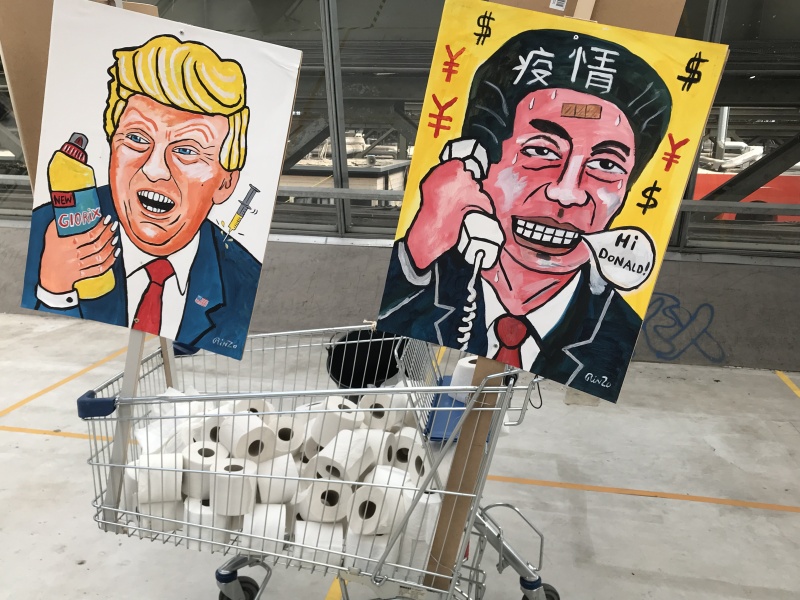
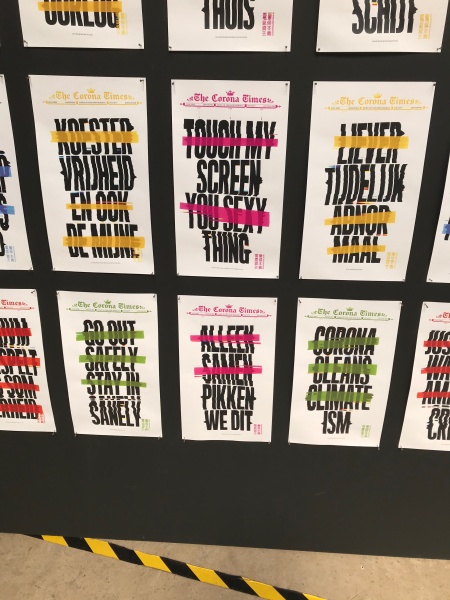
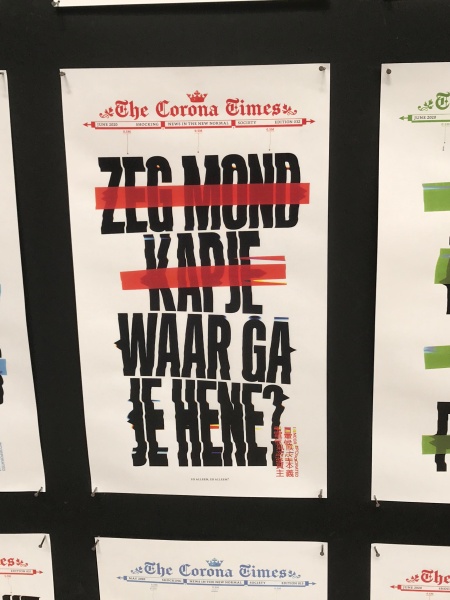


Project duration
6 Jul 2020 -31 Dec 2020
Project manager
Researchers
Berber Nauta
Loes Bogers (LC Critical making)
Marjolein Ruijg (LC Interactive Public Spaces)
dr Niek van Ulzen (FAIR data steward)
Students
Minor Designing User Research
Entreprise Web Application (2de jaars)
Minor Zorgtechnologie
Funding
Dit project is mogelijk gemaakt middels de ACIN ontwikkelgelden 2020 (Nu CoECI).
Sub-projects
Partners
- Mens in Beweging (Urban Vitality-Hogeschool van Amsterdam)
- Lectoraat oefentherapie (Project BAAT)
- Code4NL
- Universiteit Utrecht (Shihan Wang)
- Hasso Plattner Institute – The Human Computer Interaction Lab
- Kyub laser cutting
- Bartiméus
- EnableMe
- Saxion
- Drawup! -Danibal
- Sameric /Cliëntenbelang (Eric Groot-Kormelink)
- Textiel factorij